By Dr. Nathan Orvets, ROC Orthopedics
Recovery following rotator cuff surgery involves careful adherence to post-operative guidelines, including restrictions on daily activities such as driving. For many patients, returning to driving is a highly anticipated milestone. In this post, we’ll provide information on when it may be safe to return to driving after rotator cuff surgery, alongside a broader overview of the recovery process, factors influencing your readiness, and considerations to support a smooth and safe return to your daily life.
Understanding Rotator Cuff Surgery and Initial Recovery
The rotator cuff is a group of four muscles and their tendons that surround the shoulder joint, providing stability and allowing for a wide range of motion. Tears in these tendons are common injuries, often resulting from repetitive overhead activities, trauma, or age-related degeneration. When non-surgical treatments fail to provide relief, rotator cuff repair surgery may become a viable option to restore function and reduce pain.
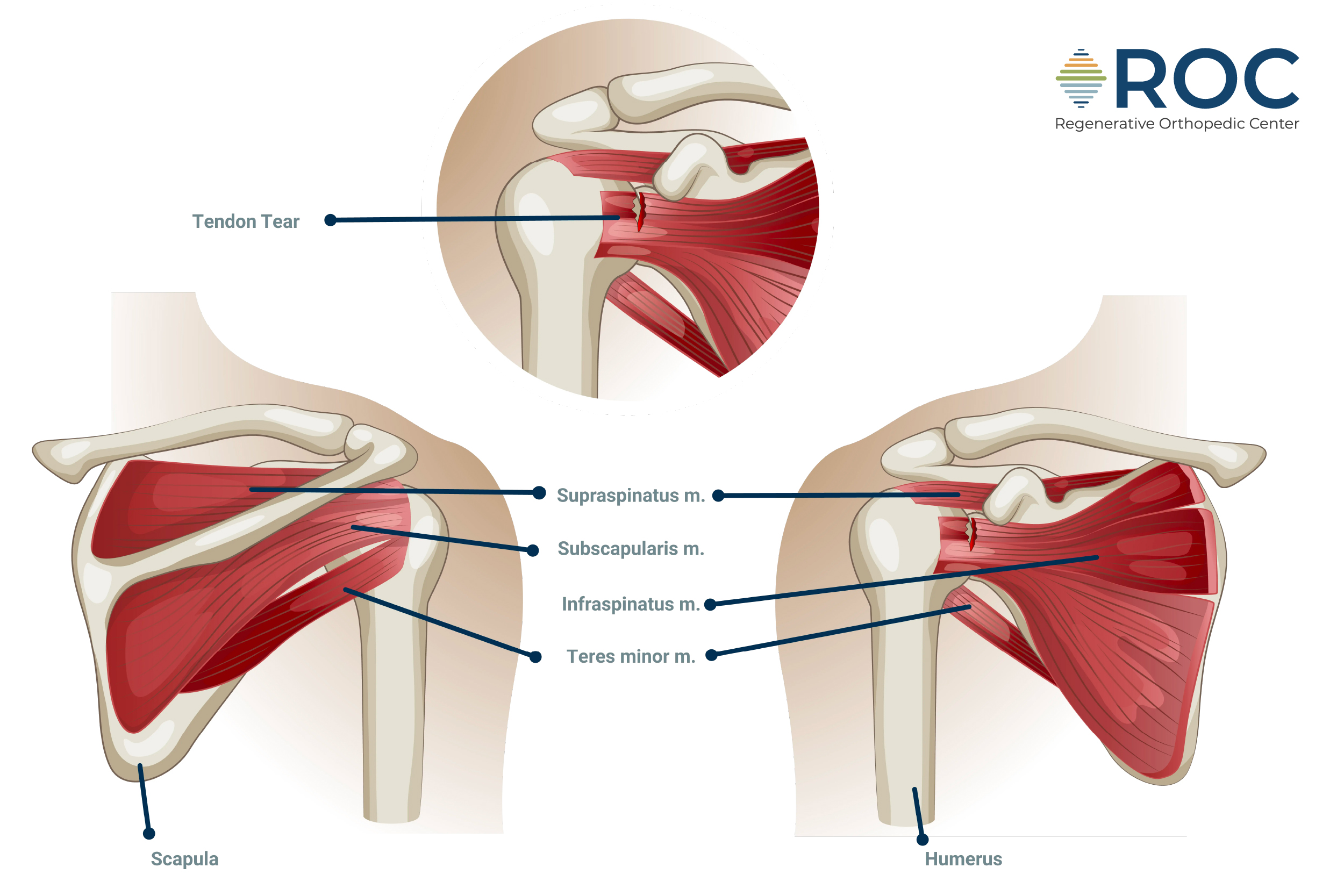
Goals of the initial phase of post-operative recovery are to protect the repaired tendons, manage pain, and prevent stiffness. Patients are usually placed in an arm sling or immobilizer, which must be worn regularly for several weeks to protect the surgical site and allow for initial healing.
Phases of Rehabilitation
Rotator cuff rehabilitation is a structured process, often divided into several phases, each with specific goals and exercises. While protocols can vary based on the surgeon’s preference and the extent of the repair, a general timeline includes the following:
- Phase I: Passive Motion
- Focuses on protecting the repair
- The arm is kept in a sling
- Passive range of motion exercises (where the arm is moved by a therapist or the non-operative arm)
- Prevent stiffness without stressing the healing tendonsn
- Phase II: Active Assisted Motion
- Gradually introduces active movement
- Patients begin active assisted range of motion exercises, where they use their own muscles to move the arm, often with assistance
- The sling is typically discontinued during this phase
- Phase III: Strengthening
- Concentrates on rebuilding strength and endurance
- Progressive strengthening exercises are introduced, targeting the rotator cuff and surrounding shoulder muscles
- Phase IV: Advanced Strengthening and Return to Activity
- Focuses on sport-specific or work-specific activities and a full return to pre-injury activity levels
- This phase emphasizes high-level strengthening, power, and endurance
Full recovery can take anywhere from six months to a year or longer, depending on the severity of the tear, individual healing factors, and adherence to the rehabilitation program.
When Can I Drive After Rotator Cuff Surgery?
The question of when to resume driving is one of the most common concerns for patients recovering from rotator cuff surgery. Historically, many surgeons have recommended a conservative approach, often advising patients to refrain from driving for 4-6 weeks post-surgery. This recommendation is largely based on the need to protect the surgical repair, manage pain, and ensure adequate control of the vehicle. However, recent research suggests that this timeline may be more flexible where some individuals might safely return to driving as early as two weeks post-surgery.
Factors Influencing Your Readiness to Drive
The decision to resume driving is not solely based on a fixed timeline but rather on a combination of physical capabilities and situational factors. An experienced shoulder surgeon will consider several key aspects:
- Pain Control: You should not be experiencing constant or severe pain that could distract you or impair your ability to react quickly. Driving while in significant pain may lead to delayed reactions and increased risk.
- Medication Status: It is important to avoid driving while taking medications that cause drowsiness, dizziness, or impair cognitive function. These medications may compromise your reaction time and judgment, making driving unsafe. Always discuss the effects of your medications with your surgeon.
- Sling Use: Driving should typically wait until the sling is not needed and you can safely control the vehicle.
- Range of Motion (ROM): You need sufficient range of motion in your shoulder to comfortably and safely operate a vehicle. This includes being able to grasp and turn the steering wheel, reach for controls (e.g., turn signals, wipers, radio), and check blind spots.
- Strength and Endurance: Adequate strength in your shoulder and arm is necessary to steer, especially during sharp turns or evasive maneuvers. You should be able to maintain control of the steering wheel without fatigue or discomfort.
- Reaction Time: Your ability to react quickly to unexpected situations on the road is paramount. Practice simulated driving movements (without actually driving) to assess your readiness.
Your surgeon will evaluate your progress, strength, range of motion, and overall comfort before recommending a return to driving.
Strategies for a Safe Return to Driving
Once your surgeon has cleared you to drive, it’s important to approach the transition back to the road gradually and safely. It may be advisable to start with short, familiar trips in low-traffic areas, avoiding highways or busy routes until you feel more confident. Before driving, take time to practice basic maneuvers like turning the steering wheel, checking blind spots, and reaching for controls while the car is stationary so you can assess your comfort and mobility.
Other strategies include minimizing distractions by keeping music low, avoiding phone calls or text messaging, and simplifying your navigation setup, particularly during your first few drives. Make sure your seat and mirrors are properly adjusted to give you the best visibility and comfort without straining your shoulder. Consider bringing a passenger along for your initial outings to add an extra layer of safety and reassurance. Most importantly, listen to your body. If you experience pain, discomfort, or fatigue, pull over and rest. Never push through pain, as this can compromise both your safety and your recovery.
Broader Recovery Considerations and Tips
Returning to driving is just one part of the broader recovery journey, and following your full rehabilitation plan is often essential for achieving the best long-term outcome and reducing the risk of re-injury. Staying consistent with physical therapy is one of the most important steps. Your therapist will guide you through exercises designed to restore strength, flexibility, and proper function, and performing them correctly and regularly can make a significant difference in your recovery. Pain management also plays a key role: follow your surgeon’s instructions regarding medication.
It’s equally important to modify your activities, avoiding heavy lifting, overhead or behind-the-back movements, and any sudden motions until you receive clearance from your surgeon or therapist. Paying attention to sleep position can also support healing; many patients find it most comfortable to sleep on their back or non-operative side with pillows for arm support.
Finally, keep an open line of communication with your surgeon and medical team. Reporting concerns, new pain, or questions enables you to receive timely guidance and support throughout your recovery process.
Summary
Returning to driving after rotator cuff surgery is a significant step in your recovery journey. While recent research suggests that some patients may safely resume driving as early as two weeks post-surgery, it is important to understand that this timeline is highly individualized and depends on a multitude of factors. These include your pain level, medication use, and the restoration of adequate shoulder strength, range of motion, and reaction time.
Your rehabilitation program, guided by your physical therapist, is fundamental to achieving the necessary physical capabilities for safe driving and overall functional recovery. Prioritize open and honest communication with your orthopedic surgeon. They will assess your unique progress and provide the clearance for you to safely get back behind the wheel.
Frequently Asked Questions
What is the typical recovery time for rotator cuff surgery?
The full recovery time for rotator cuff surgery can range from six months to a year or longer, depending on the severity of the tear and individual factors. Initial recovery phases focus on protection and passive motion, followed by active assisted motion, strengthening, and gradual return to full activity.
What if I need to drive for work or essential appointments?
If driving is essential for your work or appointments, discuss this with your surgeon before your surgery to understand the expected downtime and plan for alternative transportation. Consider arranging for rides from family, friends, or ride-sharing services during your recovery period.
How will I know if my shoulder is strong enough to drive?
Your physical therapist can guide you through exercises to rebuild strength and assess your readiness. You should be able to comfortably and confidently perform actions like turning the steering wheel, reaching for controls, and making quick movements without pain or weakness. Your surgeon can provide recommendations based on your progress.
What are the risks of driving too soon after rotator cuff surgery?
Driving too soon can lead to several risks, including re-injury of the repaired rotator cuff, increased pain, delayed healing, and potential motor vehicle accidents due to impaired reaction time, pain, or medication effects.
Key Takeaways
- The decision to drive depends on several factors, including the absence of certain medications, sufficient pain control, adequate range of motion and strength in the operated arm, and the ability to react quickly and safely in an emergency.
- Adherence to a structured physical therapy program is often important for regaining the strength, mobility, and coordination necessary for safe driving and overall recovery.
- Check with your orthopedic surgeon before resuming driving. They will assess your individual progress and provide personalized recommendations.
If you’re experiencing shoulder pain or suspect a rotator cuff tear, schedule a consultation with one of our experts today.